Meet Vera. She runs your 3D design department.
Vera is MK-Way's AI 3D designer. Send her product photos. She sends back a 3D model cut into the parts shoppers choose, ready for Orbit3D.
You don't install her. You hire her. No price list on this page; Vera's pricing is a conversation at MK-Way.com.
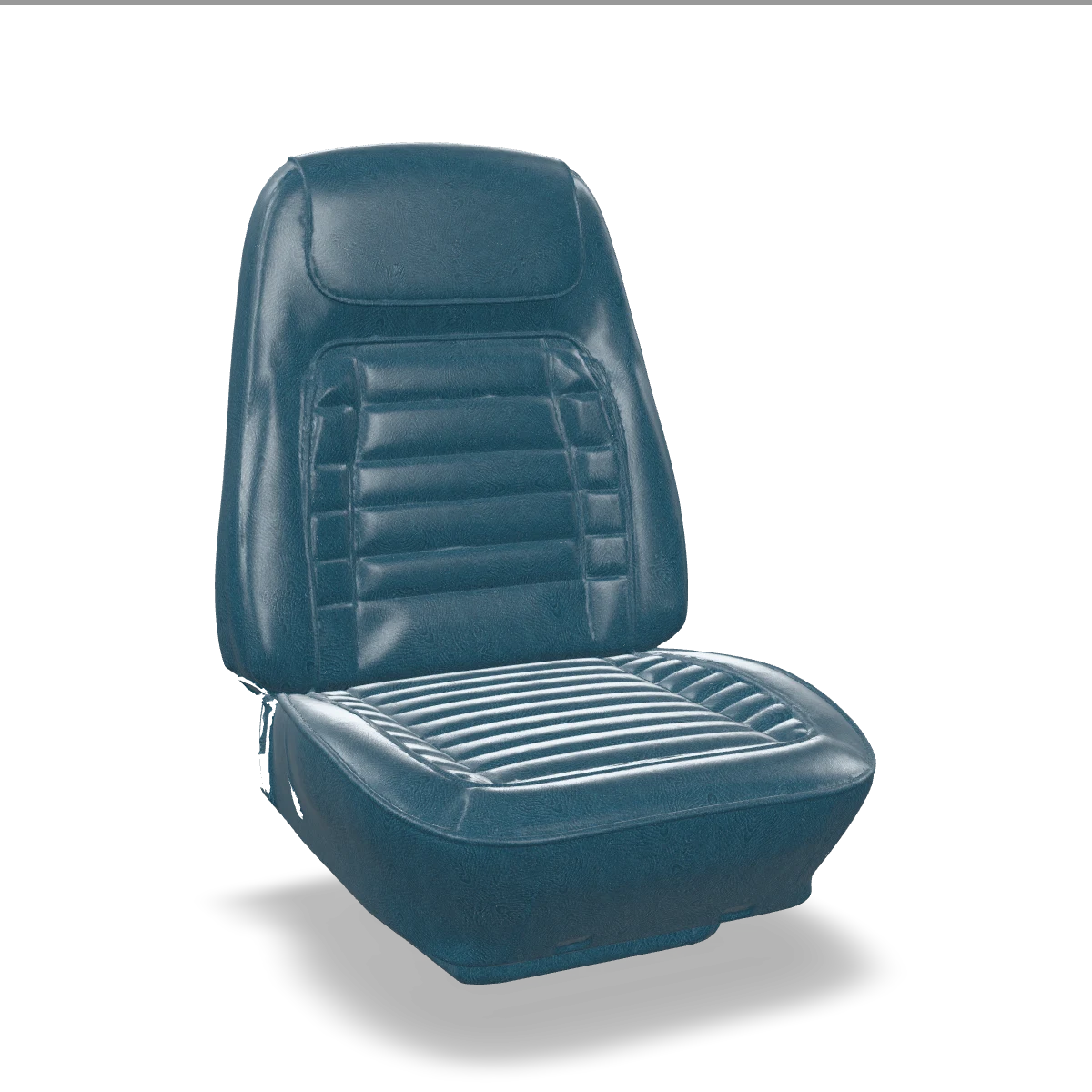
A five-part seat, the kind of file Vera delivers. Kwal-ity Auto Interiors, our demo brand.
Where does Vera show up?
Not in a chat window. She works where your team already works, and she reports like a colleague.
- Works in
Claude Code
Vera is a Claude Code skill. That is where builders and entrepreneurs who work with MK-Way meet her: in the terminal, on a job, not in a chat bubble on a website.
- Works in
Slack
She reports there. Every stage that needs a person, every finished file, every job that stops and why.
- Works in
monday.com
Her jobs board. Every product she is working on sits there with its stage, its score and the link to its review page.
- Works in
GoHighLevel
Our CRM. When a merchant says yes, the job moves to Vera's stage and she picks it up. Nobody retypes anything.
Software tells you how. Vera does it.
Every 3D tool ends the same way: you, in Blender, at midnight. Here is the difference.
| 3D software | Vera | |
|---|---|---|
| Getting started | You learn the software. | You send four photos and your option list. |
| The model | You build it, or you hire a studio. | She builds it. Known shapes she builds exactly: a ball is a sphere of a known diameter, no guessing. |
| The parts shoppers choose | You cut the mesh yourself. | Your option list is her cut list. One part per option, named the way you named it. |
| Colour that recolours | You find out at launch that olive on red comes out as mud. | Tint-ready colour is built in, so a swatch recolours a part cleanly. |
| Scale | You hope it is right. | One texture map at true physical scale. Up is up. |
| The check | Yours. | A 19-rule check on every file before a person sees it. |
| When something breaks | You search a forum. | She looks up the remedy in her playbook, retries, and writes down what happened. What she cannot fix, she stops and flags for a person. |
| The final say | Yours. | Yours. She never approves her own work. |
How does a job run?
Five steps. A person signs off at the two that matter.
- 01
You send photos and your option list.
Front, back, left and right. Six shots for balls and hats. The product alone on a plain backdrop. Then, in your own words, what a shopper should be able to choose.
- 02
She writes the brief.
Product facts, the parts, the type of object. A person checks it before anything is built. The brief is the one place product facts live, so nothing gets invented downstream.
A person signs off - 03
She builds.
Geometry, the parts, the texture map, the colours, then the 19-rule check. If a check fails, she fixes it from her playbook and runs again. If she meets something new, she stops and waits for a person.
- 04
One review, by a person.
You get a private review link. Turn the real model, try the options exactly as Orbit3D will show them, compare it with your photos. Approve, or send it back with a note.
A person signs off - 05
Into Orbit3D.
The file lands in the configurator. You tell the Setup Assistant what each choice costs, approve, and publish.
Nothing she makes goes live on its own. Same rule as Orbit3D: nothing publishes without the approve click.
What did the old way cost, and what did Vera measure?
Two sets of numbers. One is a competitor's. One is ours, from the run logs.
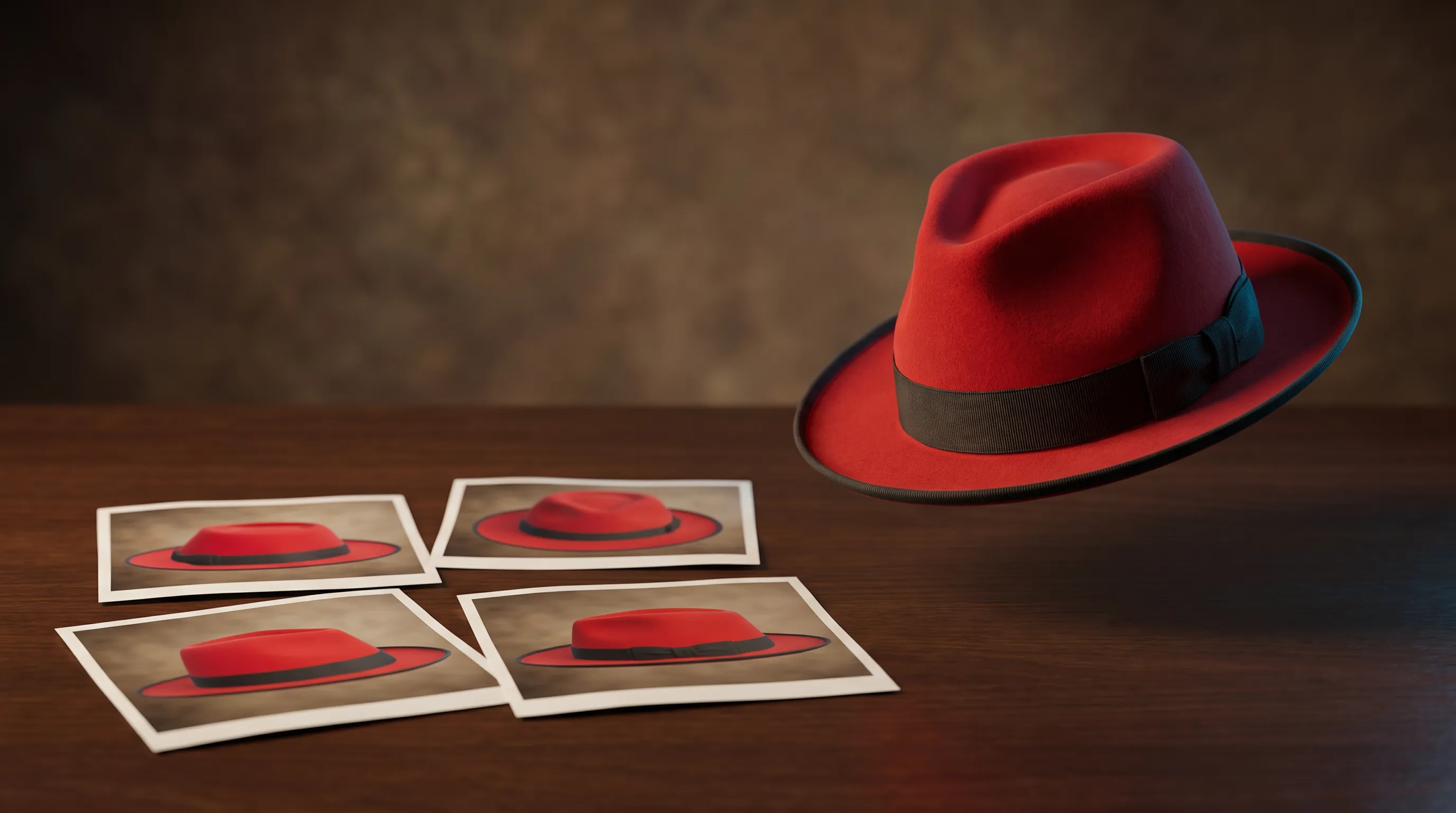
Generated image of our demo product. The real, touchable 3D is at the top of this page.
Kickflip sells a 2D configurator. On 2 February 2026 they wrote that the cost of 3D "can easily reach" $5,000 to $15,000 per product. That is the studio bill, per product, before anyone has set up a configurator.
Checked 22 Sep 2026. Source: gokickflip.com/blog/2d-product-configurator
- 6
- products accepted through one command, with no product-specific code: a pen, a hammer, a classic car seat, a golf driver head cover, an insulated bottle built from an original flat 2D file, and a printed bowling ball from three phone photos. (Vera's record, 17 September 2026.)
- 1 h 37 min
- from pick-up to review link for the printed bowling ball, on the first run of its product family. Most of that time was Vera learning the family. A second ball: about ten minutes.
- 0
- designer minutes on that ball. Scored 100 out of 100 by Mike, who signs every file. The ball is built from a known shape, not generated.
- about 2 min
- of machine time for a repeat of a learnt family, measured, from an inbox folder to review-ready.
- about 3 h
- from photos to a configured product on a staging store, end to end. Half Vera, half the Orbit3D team configuring and publishing. First measurement, 18 September 2026.
How to read those numbers. First runs of a new product family are slow; that time is her learning the family, and the next product of that family gets it back. Sewn and upholstered products are the hard end. They take your zone sketch and up to an hour of a designer's time. Neither of those is a promise; both are in the log.
The line item that used to keep 3D out of reach is now hours of machine time and minutes of a person's. What Vera costs is a conversation at MK-Way.com.
We'll take your top three products and show you what they look like in 3D.
If you don't like it, you keep all three.
Send us photos of the three products you sell most. Vera builds them. You turn them, try the options, and decide. No price on this page; that part is a conversation, and it starts with a call.
Good photos in, a good model out.
Here is the standard.
- Four photos: front, back, left, right. Six for balls, hats and anything round (add top and bottom).
- At least 1080p. 2K or better is what she wants. 8K for stitched or intricate work such as upholstered seats.
- The product alone on a plain backdrop. She can cut a busy shop counter out of the shot, and she will warn you when she has to.
- Your option list, in your words: what a shopper should be able to choose. That list becomes the parts.
- A layered flat file, if you have one. She built an insulated bottle from an original 2D flat file.
- If the intake is short, she stops and sends back a list you can forward to whoever has the camera.
Questions merchants ask about Vera
Is Vera a chatbot?
Does every product pass first time?
What can't she do?
Does she replace my 3D designer?
What do I get back?
Can I run her myself?
What does she cost?
I already have 3D files. Do I need her?
Three products. One call. You keep all three.
Bring photos of what you sell most. Vera builds them; you decide.
Already have 3D files? Start free on Shopify.